
Optimizing safety and efficiency with a PLC-based control system
Objective
Modernize an outdated, non-fail-safe SWD control system. The old setup required extensive manual operation, demanded continuous operator intervention, and lacked the safety alarms needed for fail-safe operation.
The goal: a system that starts and stops without an operator standing there, with fail-safe shutdown alarms behind it.
The client's limitations
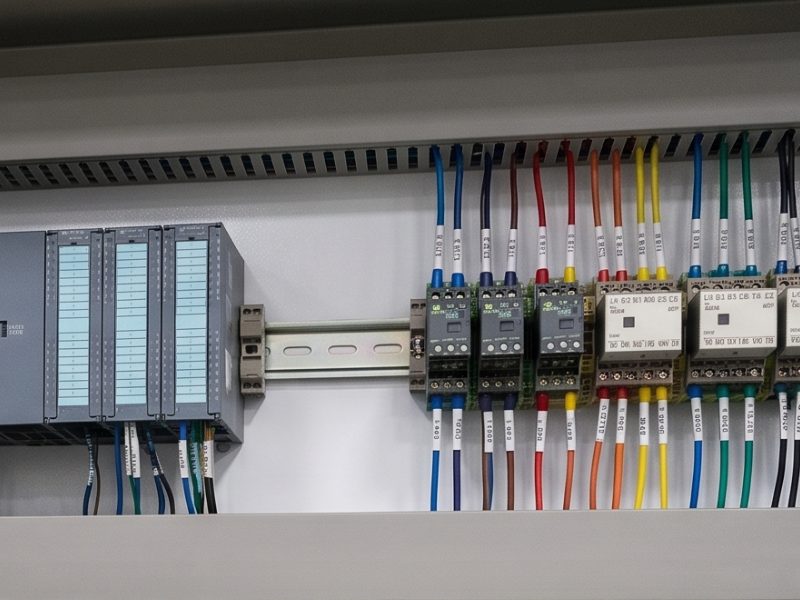
Motor control wiring had been patched and spliced over many years and had become unreliable, an operational and a safety problem. Nothing logged alarm history or trended data, so there was no way to track performance or see a failure coming.
Solution
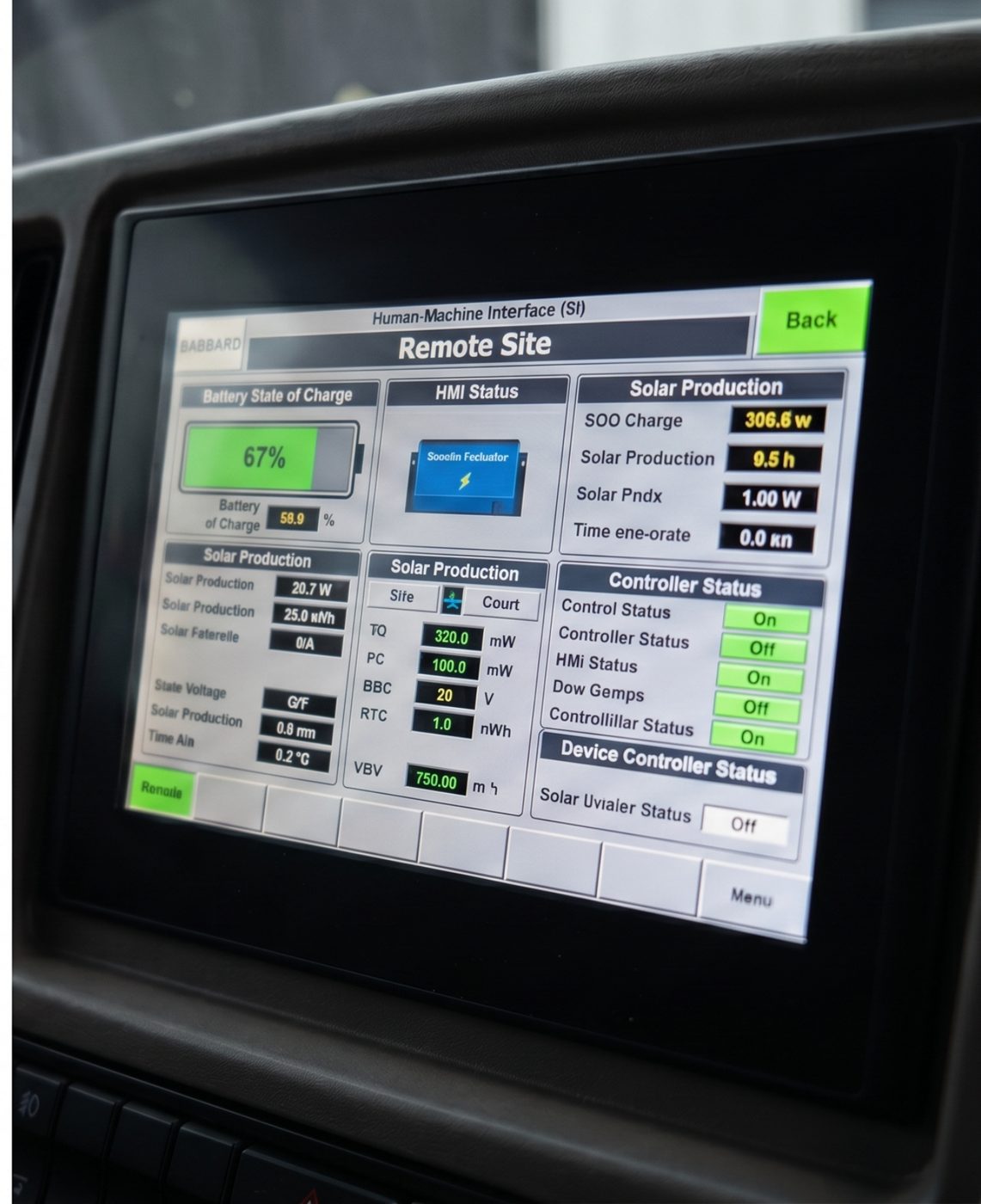
- Alarm history and trending for pressure and level, so maintenance can be proactive
- Automated skim oil management, cutting manual monitoring and human error
- Fail-safe alarms that shut the system down safely instead of running it into damage
- Motor control wiring replaced rather than patched again
Execution
Implementation started with a cause-and-effects matrix and an MOC to manage the operational change. A comprehensive function test before commissioning meant the transition back to full operation was smooth, with no significant downtime.
Client satisfaction
Management reported a significant increase in confidence in the safety and reliability of the SWD operation, and singled out the fail-safe features as the most valuable part of the upgrade.